
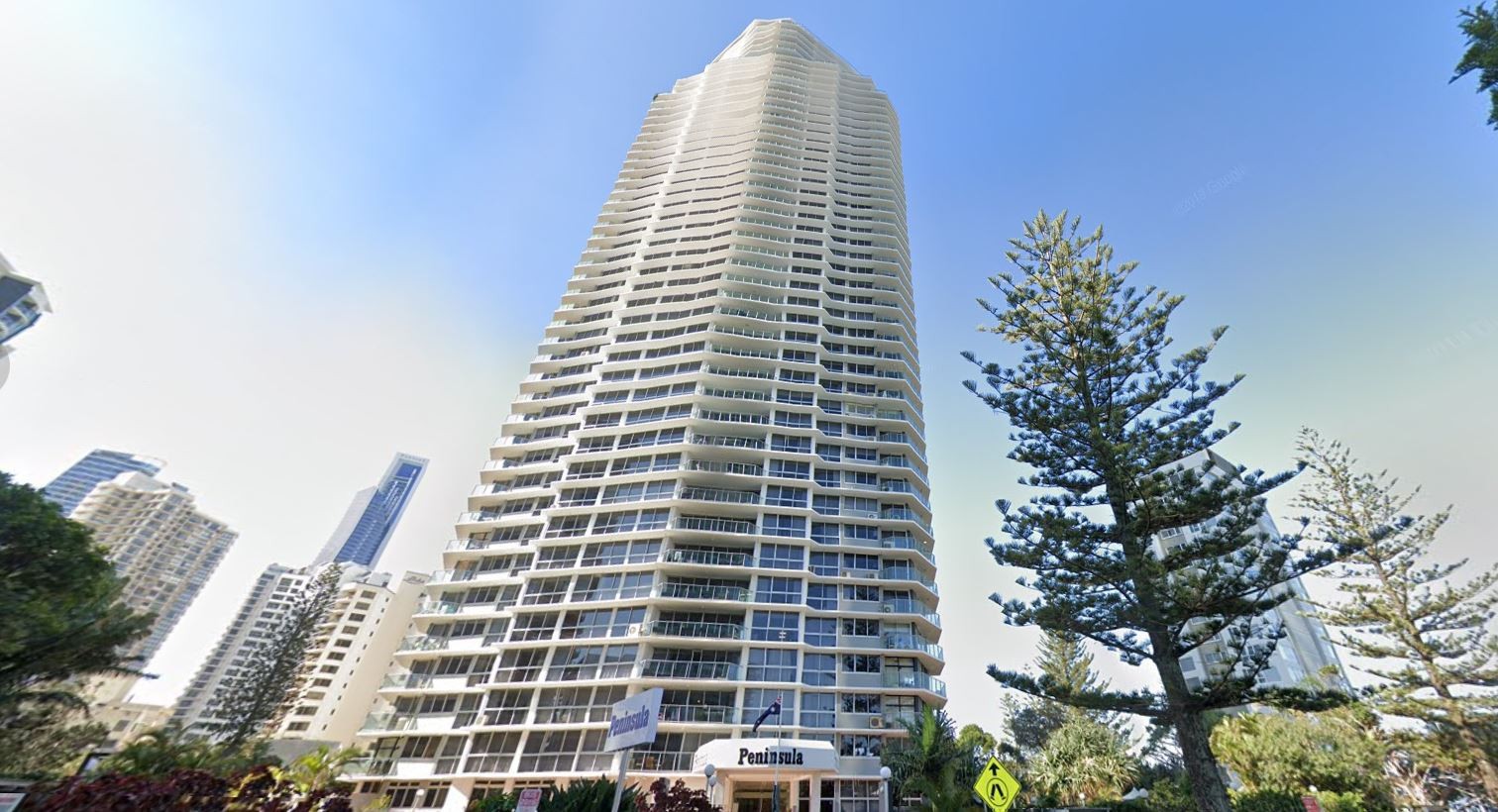
Yes, painting render is a good idea, provided the render is repaired first. A quality coating system on sound render protects it from Queensland's UV and moisture, refreshes the building completely, and lasts 7 to 10 years per cycle. Painting over damaged render is the opposite of a good idea: cracks telegraph straight through new paint, drummy or delaminating render keeps failing underneath it, and trapped moisture lifts the new coating from behind. The honest sequence for any rendered building is inspect, repair, then paint, and the inspection is what tells you whether you are looking at a repaint, a repair-and-repaint, or in the worst corners, re-rendering.
Rendered facades dominate South East Queensland's commercial and strata stock, so this is one of the most common condition questions we get asked. Here is how we answer it on real buildings.
How render fails, and what each failure means
Hairline cracking at joints, corners and openings is render behaving normally as buildings move, and it is a repair item: cracks are raked out and filled with flexible fillers, then coated with a system that can bridge future movement. Structural or widening cracks tell a different story, movement or substrate trouble, and deserve investigation before cosmetics. Drummy render, the hollow sound under a tap, means the render has debonded from its substrate; those sections come off and get reinstated, because no coating rescues render that is no longer attached to the building. Bubbling, blistering and salt staining mean moisture is moving through the wall, and the source, failed sealants, waterproofing, cracked capping, gets fixed before anything is painted, or the new paint simply becomes the next casualty. Chalking and fading alone, with sound render underneath, is the happy case: preparation and repaint.
The inspection that sorts a facade into those buckets is the whole game, and it is why our render projects start with a condition survey rather than a colour conversation.
Repair, repaint, or re-render?
Most rendered commercial buildings land in the middle case: localised repairs plus a full repaint, which restores both protection and presentation for a fraction of re-rendering. Full re-rendering is the last resort, reserved for facades where debonding is widespread, and even then it is usually sectional rather than total. The trap to avoid is the split contract: a repairer who does not paint and a painter who does not repair, with the interface between them, the exact spot where render repairs meet coating systems, belonging to nobody. Render restoration is in-house work for us, delivered by our own remedial trades under the same contract and project manager as the painting, so preparation standards, repair mortars and coating systems are designed as one system. That is the practical meaning of in-house remedial building services sitting beside the painting crews rather than across town from them.
On coating selection: repaired render in Queensland deserves a system chosen for the exposure, and on buildings with movement or moisture history, elastomeric and membrane-grade coatings that bridge hairline cracking earn their premium. Specified in writing with the manufacturer, the system carries a warranty; chosen from a shelf, it carries hope.
What it costs, and how long it lasts
Costs are scoped, not rated, because the repair quantum drives everything: a sound facade repaint, a facade with 10 per cent repairs and a facade with widespread drummy sections are three different projects wearing one building. The scope of works from the condition survey is what makes tender numbers comparable, and it is the document we would tell you to insist on from anyone, us included. On lifespan: a properly repaired and coated rendered facade in Queensland runs the standard 7-to-10-year cycle, stretching with maintenance, and larger facade programs can fold into a full facade refurbishment where windows, sealants and balustrades are due in the same window.
Frequently asked questions
Is painting render a good idea?
Yes, on repaired render: the coating protects against UV and moisture and renews the building. On damaged render it fails early, which is why repair comes first.
How do you repair cracked render before painting?
Hairline cracks are raked and filled with flexible fillers; drummy sections are removed and reinstated; moisture sources are fixed at the cause. Then the coating system goes on as one designed system.
How long does painted render last?
Typically 7 to 10 years in Queensland conditions on a properly prepared facade, longer with a maintenance program, and shorter on coastal and high-exposure elevations.
Should I paint or re-render?
Repair and repaint covers most buildings. Re-rendering is for widespread debonding, usually sectionally. The condition survey, not the quote, is what should make that call.
Rendered building looking tired, or cracking more than it used to? Ask us for a condition survey or call 1800 313 083, and get the repair-versus-repaint answer from the render itself.